 Creative Expert Hub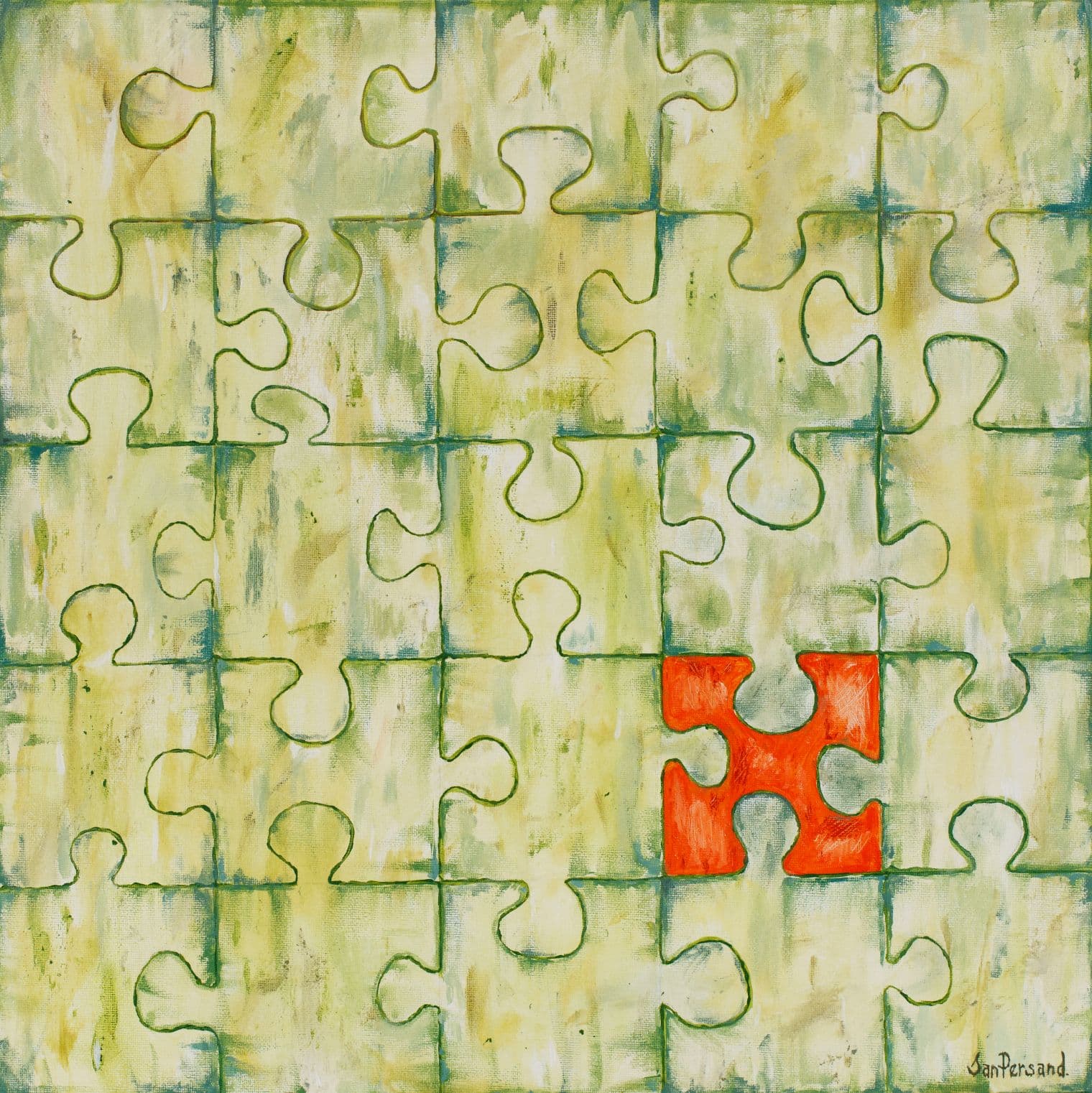
Obiter Dictum
Something Said in Passing
About the Piece
Written decisions of the Supreme Court can be very long and complex with hundreds of paragraphs. Their complexity is due to the reasoning behind the decision rendered by the judge. When a reader connects all the elements of the information, the complexity simply vanishes. A court's written decision is like a puzzle with so much information carefully pieced together by the judge. All the pieces have to be fitted together to make sense.
In Latin, Obiter Dictum means "something said in passing." In Law, it is a judicial comment made by a judge while rendering a written decision. However, this comment sounds completely different to the rest of the written decision. Not all court decisions have Obiter (short form for Obiter Dictum). An Obiter will stand out as strikingly odd compared to the rest of the written decision, often it goes against the normal reasoning of the whole decision.
The Obiter is normally included in the court's written decision. It has no value or power to influence the actual case being decided, but it can influence future cases. For instance, a subsequent court case might quote an Obiter from the text of a previous case. A quoted passage of an Obiter may become part of a ruling in a subsequent case. One example of an Obiter is when a Judge, in explaining his ruling makes a hypothetical set of facts and explains how he believes the law would apply to these facts. Even if the explanation can be a correct statement of law, it has absolutely no use to the case being judged because the set of facts remains hypothetical and never actually happened.
This painting illustrates the court's written decision as pieces of a jigsaw puzzle carefully fitted together. The orange piece is the Obiter. It is strikingly different from the remaining pieces because of its unique shape and color. The orange color does not match the rest of the puzzle, yet the shape of the piece fits perfectly into the pattern. In a similar way, though the Obiter is a component of the written decision, yet it stands out as being completely different.
The Obiter puzzle piece might perfectly fit into another puzzle consisting entirely of orange pieces. That's how an Obiter can become an influential part of a subsequent and completely different decision. Another aspect of the Obiter puzzle piece lies in its unique shape. Normal puzzle pieces have at least one round protruding tab on one edge with corresponding blanks cuts into the intervening sides to receive the tabs of connecting pieces. The orange Obiter piece has no protruding round tab, but only blank cuts on all sides. Without protruding tabs, the piece is totally useless. Normally at least one tab is needed to match with the next connecting piece. It is practically impossible to start a puzzle with a piece having no tabs. It can only be fitted in the end as the last unit to complete the puzzle.
In a similar way, it is impossible to understand the court's decision by starting with the Obiter. The decision has to be read in whole, and the Obiter has to be understood in the context of what has been written.
Curious how creative thinking applies to your own work?