 Creative Expert Hub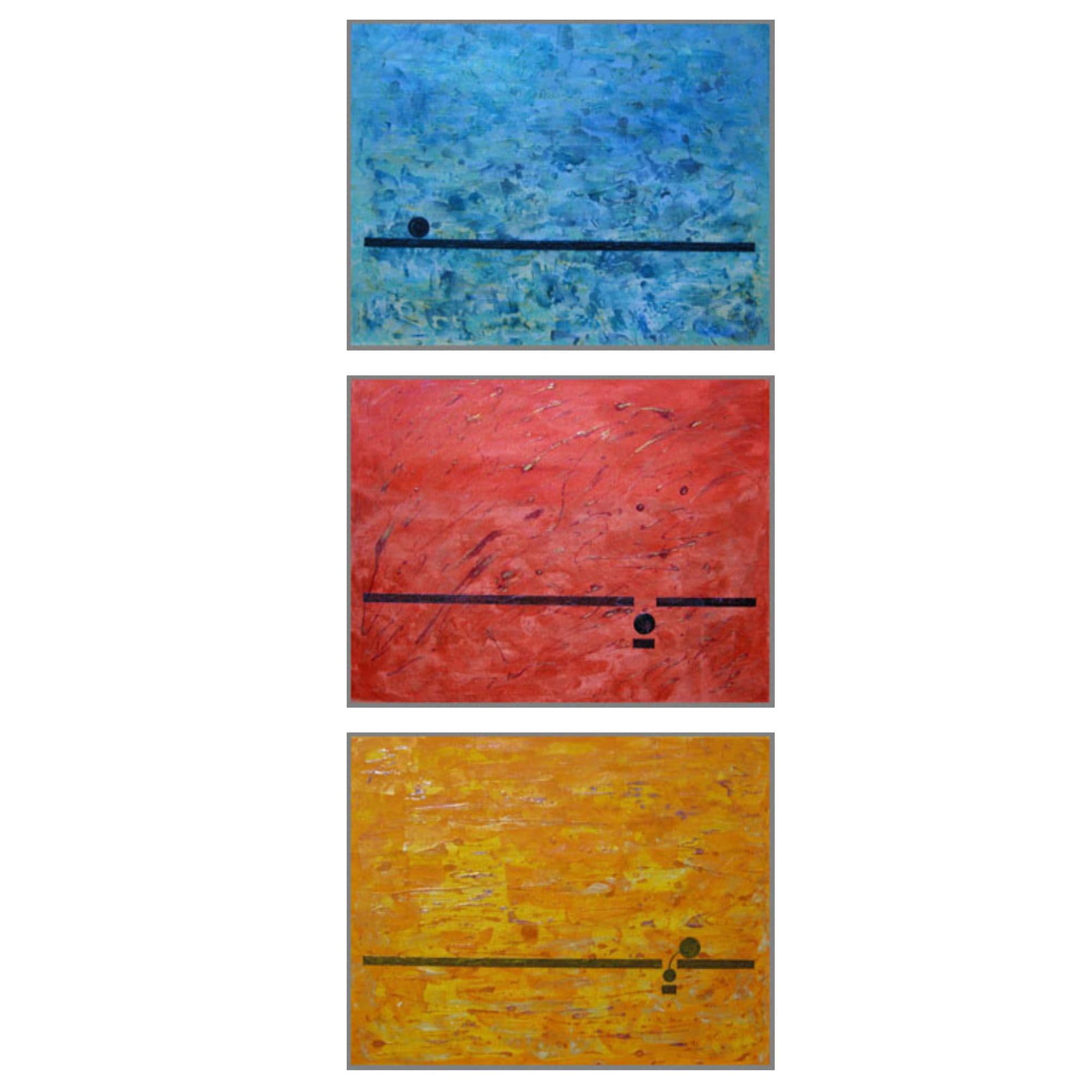
1457 CCQ
Article 1457, Civil Code of Québec
About the Piece
Countries with civil law legal systems have a civil code, which is a book that contains extensive set of laws describing how we should interact with each other in society. The laws are systematically organized, numbered and grouped by subject matter. These laws address practically any possible situation that can occur in one's life and even after death. All the laws of the civil code are important, however there are some laws that are much more important than others. These are the laws that apply to our everyday activities and govern our actions most of the times.
In the Civil Code of Quebec (CcQ) for instance, one of the most important articles for civil liability is article 1457. Similar provisions can be found in the civil codes of many jurisdictions. The 1457 CcQ is divided into three paragraphs.
The first paragraph states that: "Every person has a duty to abide by the rules of conduct which lie upon him, according to the circumstances, usage or law, so as not to cause injury to another." Simply put, we must not trouble anybody around us. Suppose you decide to walk your dog down the street and you pass some kids playing with a ball. Suddenly, one of the kids accidentally kicks the ball right into your path. You simply catch it, smile at the kids, and throw it back. At that very moment, the ball strikes a motorcyclist coming in the opposite direction. The motorcyclist crashes into a sign post, breaks his leg and his motorcycle is destroyed. Your simple harmless act of throwing the ball back to the kids has set off a chain of legal repercussions as stipulated by the second paragraph of article 1457 CCQ.
The first painting illustrates the first paragraph of article 1457 CcQ. Law is everywhere although it cannot be seen. Law is illustrated as a straight line that is above everything we do. The abstract background represents the sum of all the activities we engage in. We are like beads rolling in straight lines. Have you ever played a pinball game or thrown a bead on the floor and observed what happens? The ball never stays idle, it rolls due to momentum and gravity. However, the bead does not roll forever. It eventually comes to a stop, either in the corner of the room or on a flat surface where there is no gravitational pull. The law of gravity is a natural law and no bead can escape its reality. In the same way, we are subject to the laws in a society and we cannot run away from this reality without facing consequences. In an ideal world, as prescribed by paragraph I of article 1457 CcQ, we are supposed to roll smoothly in straight lines without creating any disturbance. How is that possible in a society which thrives on interaction between people? It's like throwing a glass of beads on the floor and expecting them not to collide!
The second paragraph states that: "Where he is endowed with reason and fails in this duty, he is responsible for any injury he causes to another person by such fault and is liable to reparation for the injury, whether it be bodily, moral or material in nature." This paragraph establishes that you are automatically responsible for the consequences of your action and are obligated to remedy them. In our example, reparation of the "injury" caused would involve replacing the kids' ball, compensating the motorcyclist for his broken leg, fixing the damaged motorcycle and restoring the city's damaged signpost. The underlying principle is to restore the situation to the state it was in before the incident occurred. You are liable for all the harm caused even though you had no wrongful intent. Well, if rolling smoothly without disturbance is not possible, then you have to assume the consequences and repair all the damages caused. This is precisely what is illustrated in the second painting: we are supposed to roll our way through life without causing disturbances to others. Breaking the law is like falling in a ditch that we have dug in our path. Once in the ditch, we are stuck – the only way to get back on track and keep moving forward is by repairing the harm caused. In this painting, the notion of similarity between the size of the damage and the reparation is illustrated by the gap in the broken line matching the length of the broken piece.
Now let us return to our initial scenario and change some facts. Imagine while walking your dog down the street, he gets excited and starts chasing the kids' ball. As one of the kids tries to retrieve the ball from your dog's grip, your dog becomes overexcited and accidentally bites the child. Will your dog be held legally responsible for this act? The last paragraph of article 1457 CcQ states that: "He is also liable, in certain cases, to reparation for injury caused to another by the act or fault of another person or by the act of things in his custody." This paragraph holds you liable for any damages caused by the actions of anyone or anything under your care. Accordingly, you are liable for the damages caused by your dog. The concept of responsibility for the act of others is illustrated in the third painting by the presence of two beads – one large and one small – bound together. The larger bead is responsible for the motion of the smaller one. Should the smaller bead break the law and fall through, the larger bead will automatically be pulled along with it.
Curious how creative thinking applies to your own work?