 Creative Expert Hub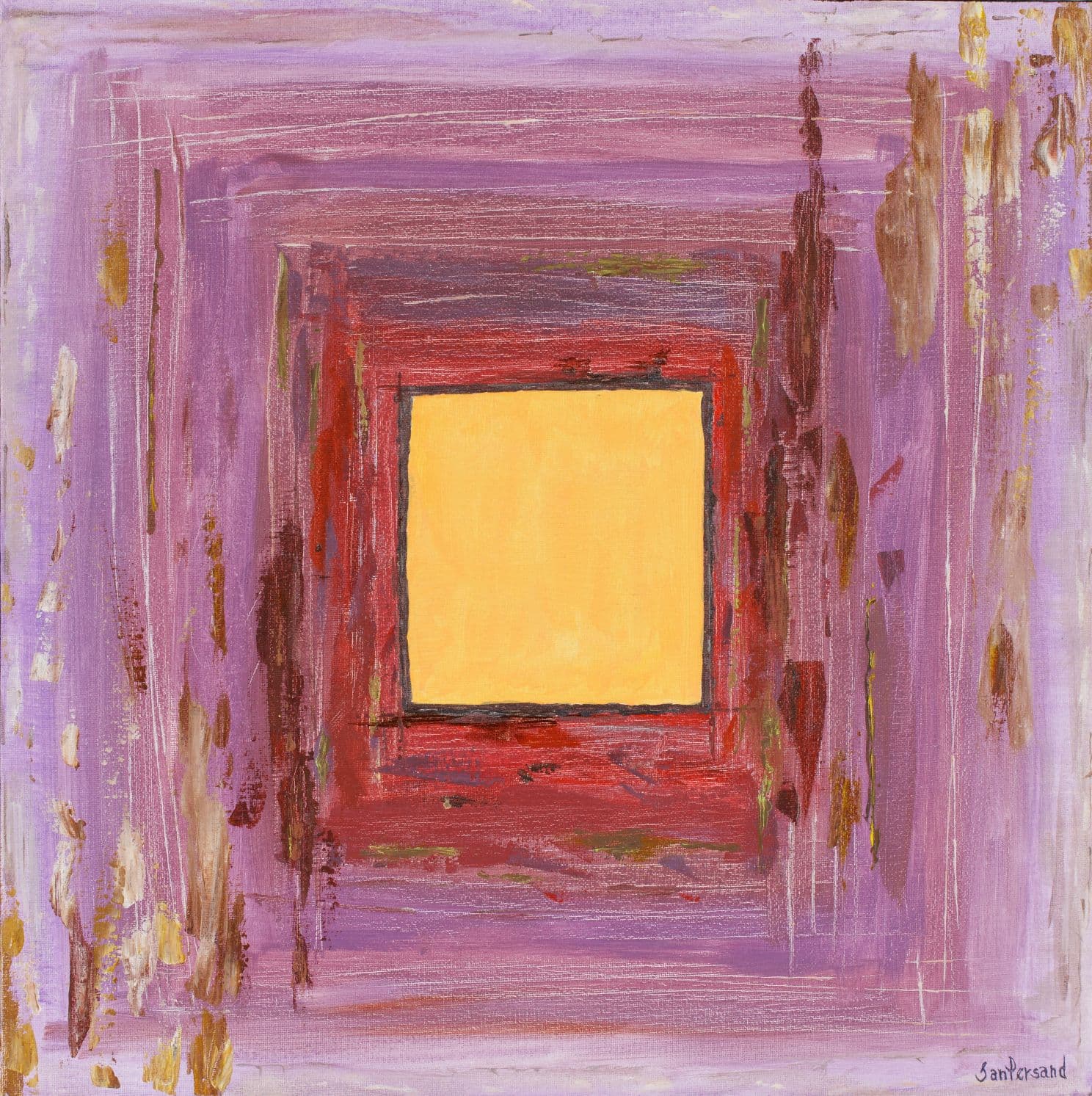
Actus Reus and Mens Rea
The Guilty Act and the Guilty Mind
About the Piece
If all crimes violate the law, not every violation of law constitutes a crime. What, then, is a crime? Some acts are labelled criminal because the state believes they are very bad and harmful to society. Murder is one of those acts that involves sufficient elements of harm to be considered a criminal act. To convict someone as a criminal, the court has to show presence of two elements: actus reus and mens rea.
Actus reus is a Latin word that means "guilty act." In criminal law, an actus reus would be the act of doing something. For instance the actus reus of murder, is simply the act of killing somebody. Mens rea, another Latin legal expression, means "guilty mind." It refers to the mental state that was present in the mind of the perpetrator.
The standard test of criminal liability: actus non facit reum nisi mens sit rea simply means "the act does not make a person guilty unless the mind is also guilty". For instance, one of the mens reas sufficient for murder is a general intent. If the court can prove that the accused had the intent to kill, then he shall be criminally liable. Actus reus and mens rea are the two most important elements in criminal law. A court of law judging a criminal case will always look for these two elements. This abstract painting illustrates actus reus and mens rea as elements of a crime.
When a murder is committed, the accused has to be brought to court to be judged. In court evidence is produced by the prosecutor. The very first element of evidence to prove commission of the act comes from the crime scene. The crime scene is defined as the perimeter where the act happened. The scene usually contains telltale evidence that can unveil the chronology of events leading to the commission of the crime. Evidence is key, but if wrongly interpreted, might lead to incorrect assumptions.
Starting from the corners and moving towards the center, the painting represents the perimeter of a crime scene: a chaotic-looking room. The patterns of red and purple represent the intensity of emotional and physical elements that would emerge out of such a desperate act. The deeper we move inside the room, the more profoundly traumatic the scene becomes.
To transform this physical act into a criminal act, a mental element is needed – mens rea (state of mind). The mens rea represented by the inner opaque yellow window is concealed behind all that chaos. The mens rea is not visible to the naked eyes. It dwells deep inside the human mind and constantly changes colour. The only person who really knows the colour of the mens rea, is the accused himself. However, with the help of evidence, the court has to determine the state of the mind of the accused at the moment the crime was committed.
The purple background of the painting represents the actus reus only, without mens rea. The central yellow represents the mens rea. When the yellow mens rea overlaps the purple actus reus to form a boundary, then the prosecutor can prove existence of both elements simultaneously. This "criminal boundary" can be as thin as a line or as thick as a ruler. However, it has to be conspicuous enough for its existence to be beyond any reasonable doubt. Only at this point can the accused be charged of a crime.
Curious how creative thinking applies to your own work?